What is Helicobacter pylori? How You Get It, Symptoms, and Treatment
Overview
- Helicobacter pylori (H. pylori) is one of the most common bacterial infections globally, affecting nearly 50-60% of the population.
- It is linked to conditions such as gastritis, peptic ulcers, and an increased risk of stomach cancer.
- The bacterium spreads primarily through oral-oral or fecal-oral routes, with higher prevalence in developing countries.
- Many people are asymptomatic carriers, but some experience symptoms like abdominal pain, nausea, bloating, or weight loss.
- Early testing and treatment can prevent serious complications, improving quality of life.
Other pages about Helicobacter pylori
New pages cooming soon
What Is H. pylori?
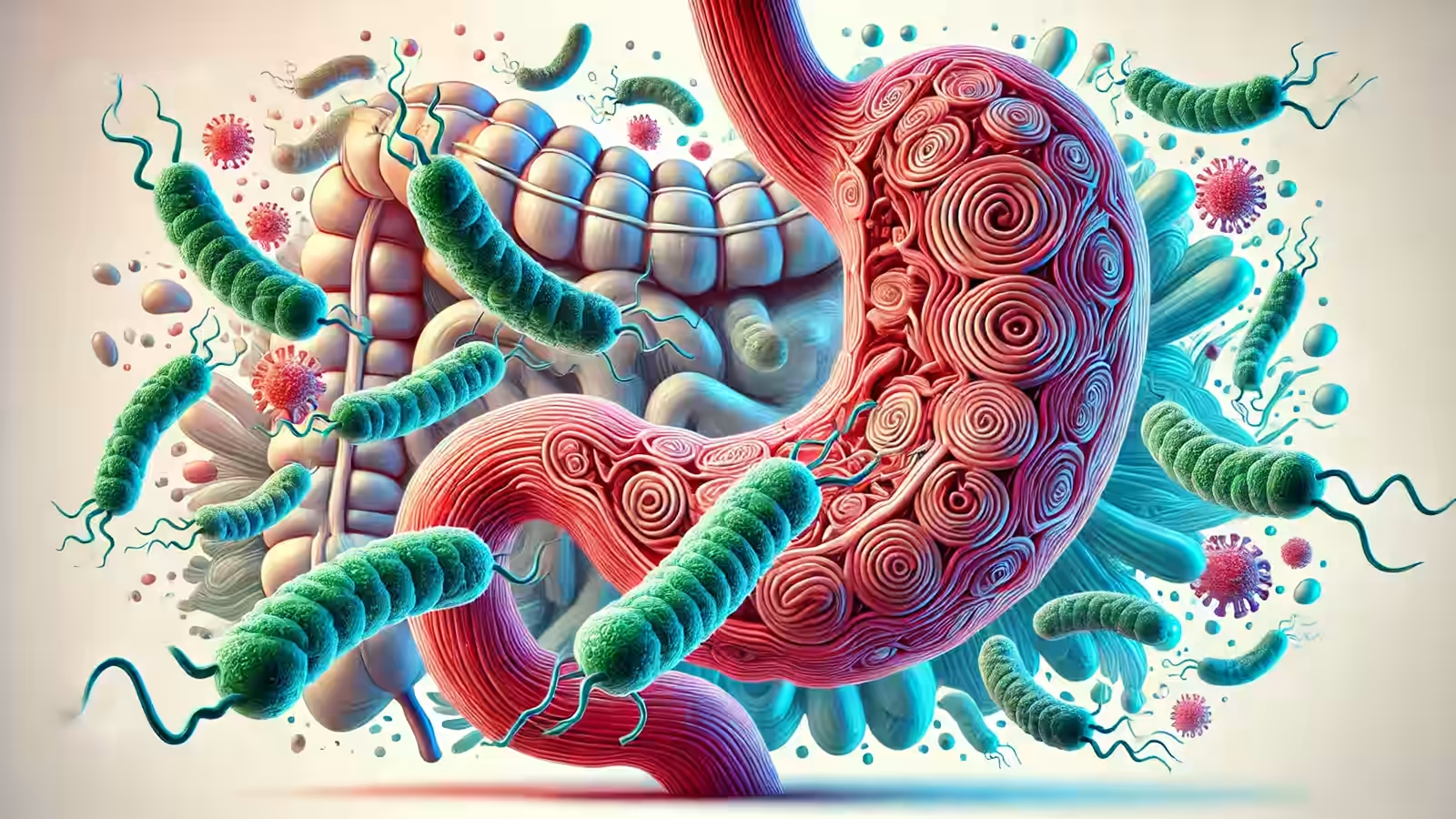
Helicobacter pylori (H. pylori) is a spiral-shaped bacterium that resides in the stomach and upper digestive tract.
It is one of the most prevalent bacterial infections worldwide, infecting nearly 50-60% of the global population. This bacterium has developed unique mechanisms to survive in the stomach’s harsh, acidic environment, allowing it to colonize the stomach lining.
While many people carry H. pylori without symptoms, it is a leading cause of:
- Gastritis (inflammation of the stomach lining)
- Peptic ulcers (sores in the stomach or duodenum)
- An increased risk of stomach cancer in some cases
What causes Helicobacter pylori?
How H. pylori is transmitted remains somewhat unclear. Although infection typically happens in childhood, adults are also at risk of becoming infected.
How Is Helicobacter pylori transmitted?
H. pylori spreads primarily through:
- Oral-oral transmission: Sharing utensils, food, or drinks with an infected person.
- Fecal-oral transmission: Consuming contaminated food or water, particularly in areas with poor sanitation.
The infection is more common in:
- Developing countries, where rates can reach up to 70-90%, due to limited access to clean water and sanitation.
- Developed countries, where rates are lower, typically 20-40%, due to better hygiene and healthcare systems.
[Learn more about how Helicobacter pylori is transmitted →]
Symptoms of H. pylori Infection
Most people infected with H. pylori do not experience symptoms. However, when symptoms occur, they often include:
- Abdominal pain or discomfort, especially on an empty stomach
- Nausea or vomiting
- Bloating
- Loss of appetite
- Frequent burping
- Unexplained weight loss
- Dark or tarry stools (a potential sign of bleeding ulcers)
If you experience any of these symptoms, consult a healthcare provider for proper testing and diagnosis.
How Is Helicobacter pylori Diagnosed?
Diagnosing H. pylori typically involves one or more of the following tests:
- Breath test: You swallow a liquid or capsule containing a special form of carbon, then breathe into a device that detects H. pylori by measuring carbon dioxide levels.
- Stool test: A lab analyzes your stool for proteins (antigens) from the bacteria.
- Blood test: This detects antibodies to H. pylori but may not confirm an active infection.
- Endoscopy: A thin tube with a camera examines the stomach lining, and a tissue biopsy can be taken for testing.
Each method has its advantages, and your doctor will recommend the best option based on your symptoms and medical history.
How Is Helicobacter pylori treated?
H. pylori infection is treated with a combination of antibiotics and acid-reducing medications, typically as part of a 10 to 14-day therapy. This approach is effective in 85-90% of cases, but treatment success depends on factors such as antibiotic resistance. While natural remedies like probiotics and dietary changes may help alleviate symptoms, they are not a substitute for medical treatment.
[Learn more about H. pylori treatment options →]
Global prevalence
The prevalence of H. pylori infection varies significantly between developed and developing countries. In developing countries, infection rates can be as high as 70-90%, largely due to factors such as poor sanitation, crowded living conditions, and limited access to clean water. For example:
- In parts of Africa and South Asia, the prevalence of H. pylori exceeds 80% in some populations.
- In Latin America, rates are also typically above 60-70%, depending on the region.
In contrast, developed countries generally see lower infection rates, ranging from 20-40%. For example:
- In the United States and Western Europe, the prevalence is typically around 30-35%.
- In Scandinavian countries, rates can be as low as 20-25%, reflecting improved hygiene standards and widespread use of antibiotics.
These differences highlight the role of socioeconomic and environmental factors in the transmission and persistence of H. pylori infections.
Do All People with H. pylori Have Symptoms?
No, many individuals are asymptomatic carriers, meaning they harbor the bacterium without experiencing any symptoms. Factors influencing symptom development include:
- Genetic predisposition
- Immune system response
- Environmental factors, such as diet and hygiene
For those without symptoms, treatment is usually unnecessary unless complications arise. [Find out more about asymptomatic Helicobacter pylori infections →]
When to See a Doctor
Consult your healthcare provider if you:
- Have persistent abdominal pain or discomfort
- Notice dark or bloody stools
- Experience unexplained weight loss
- Have a family history of stomach cancer
Early detection and proper treatment can significantly reduce the risk of complications.
Why Is It Important to address H. pylori?
It is a leading cause of chronic digestive disorders and can significantly reduce quality of life if left untreated.
Early detection and appropriate treatment are vital for preventing complications such as ulcers and cancer. With advancements in diagnostic methods and therapies, managing H. pylori infections has become increasingly effective.
Untreated H. pylori infections can lead to severe complications, including:
- Persistent ulcers
- Chronic gastritis
- Increased risk of stomach cancer
Testing and treatment are crucial if you experience symptoms or have a family history of stomach cancer. With proper management, most individuals can fully recover and reduce their risk of long-term complications.
Risk Factors for H. pylori Infection
You are more likely to contract H. pylori if:
- You live in overcrowded or unsanitary conditions.
- You consume unclean food or water.
- You have close contact with someone infected with H. pylori.
- You reside in a region with high infection rates, such as parts of Africa, South Asia, or Latin America.
How Does H. pylori Affect the Body?
H. pylori disrupts the stomach lining by producing an enzyme called urease, which neutralizes stomach acid. By doing so, it can disrupt the stomach’s protective lining, causing irritation and damage. This creates an environment where the bacterium can thrive, but it also weakens the stomach’s defenses, leading to:
- Inflammation of the stomach lining (gastritis)
- Formation of peptic ulcers
- Potential development of stomach cancer
[Learn more about the role of Helicobacter pylori in the body →]
The Role of H. pylori in the Human Body
While H. pylori is often associated with negative health effects, some research suggests it might have played a role in regulating stomach acidity and digestion in ancient human populations. This role is still under investigation, as its benefits, if any, are minimal compared to the potential health risks it poses. [Learn more about the role of Helicobacter pylori in the body →]
Why Is Helicobacter pylori Important?
If you suspect an H. pylori infection or are experiencing symptoms, consult a healthcare provider for testing and treatment options.
Early detection and appropriate treatment are vital for preventing complications such as ulcers and cancer.
With advancements in diagnostic methods and therapies, managing H. pylori infections has become increasingly effective With proper management, most individuals can fully recover and reduce their risk of long-term complications.
Key Takeaways
- H. pylori is one of the most common bacterial infections worldwide.
- It can cause serious digestive issues, including ulcers and gastritis, but many people remain asymptomatic.
- Maintaining good hygiene and seeking prompt medical advice if symptoms occur are essential for managing the infection.
